A voice for stroke advocacy
Life after stroke.
Redefining recovery. Rewriting success.
I survived a stroke in my forties. The harder part came afterwards, when the help got smaller and then, for many of us, stopped. Young survivors often feel invisible and unsupported. We are not alone, and we are not powerless.
Why listen to me?
Lived experience.
Survivors’ voices deserve to be heard. I offer clear tools, empowering language and a push for compassionate systems, for survivors and for the families who carry so much of the load.
I had my stroke in 2021. Before it, I spent twenty years in digital strategy and operations, including at executive board level. That career taught me to look for the place where a complex system fails the people it was built for. Stroke aftercare in England fails in exactly those places.

New report, October 2026
The Discharge Gap
An independent policy report on stroke aftercare in England, written with Paul Quinn. Hospital care is strong. Then the help gets smaller, and around six months, for many people, it stops.
35.1%
of eligible survivors had a six-month review, down from 38.8% the year before (SSNAP, 2025).
70% to 15%
Physiotherapy is delivered on 70% of recommended days in hospital, and on 15% in community rehabilitation.
£25.7 billion
estimated yearly UK cost of stroke, with 87% of NHS and social care costs arising after the first year.
Latest writing
New posts from my newsletter, on recovery, identity and the systems around stroke care.
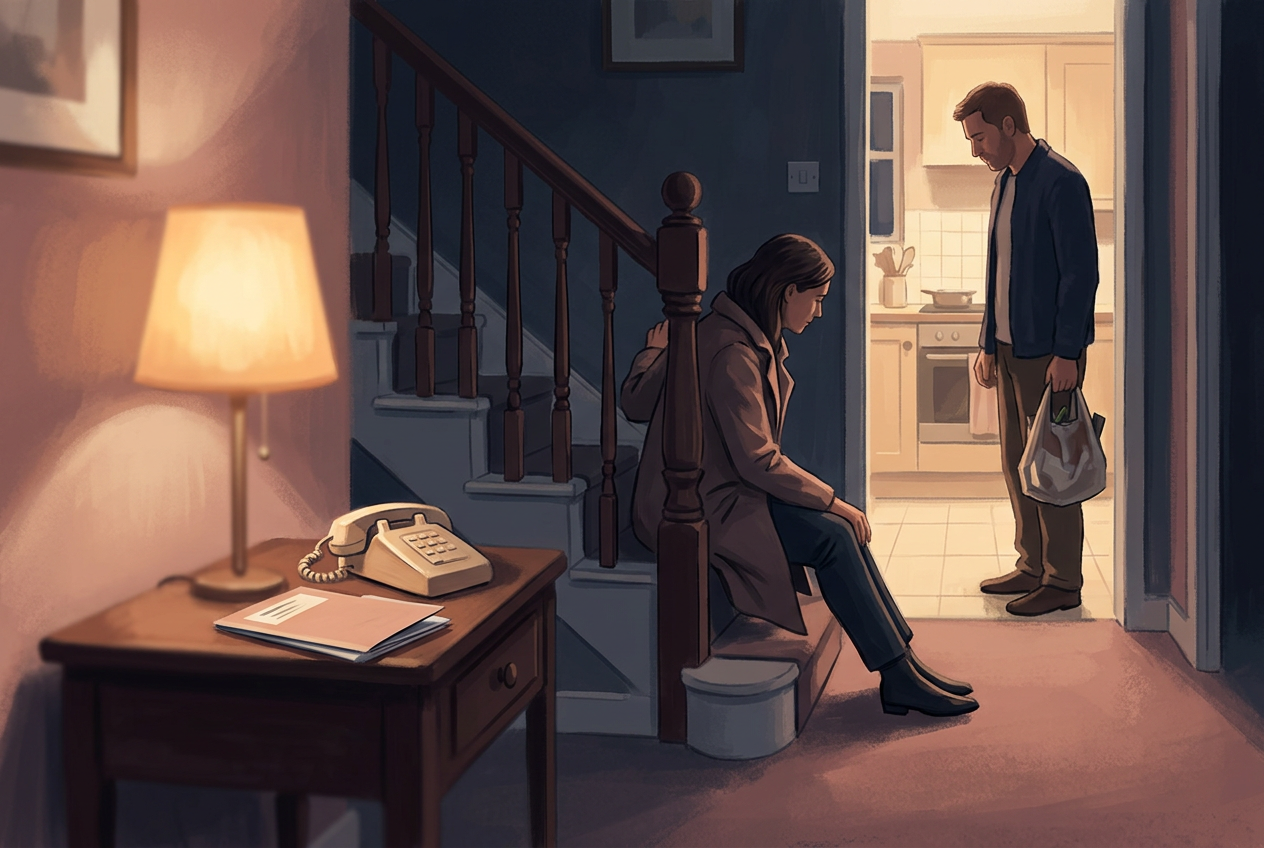 October 2026
The Discharge Gap: Stroke Support After Six Months
A World Stroke Day post, with Paul Quinn: only 35.1% of eligible survivors in England had their six-month review.
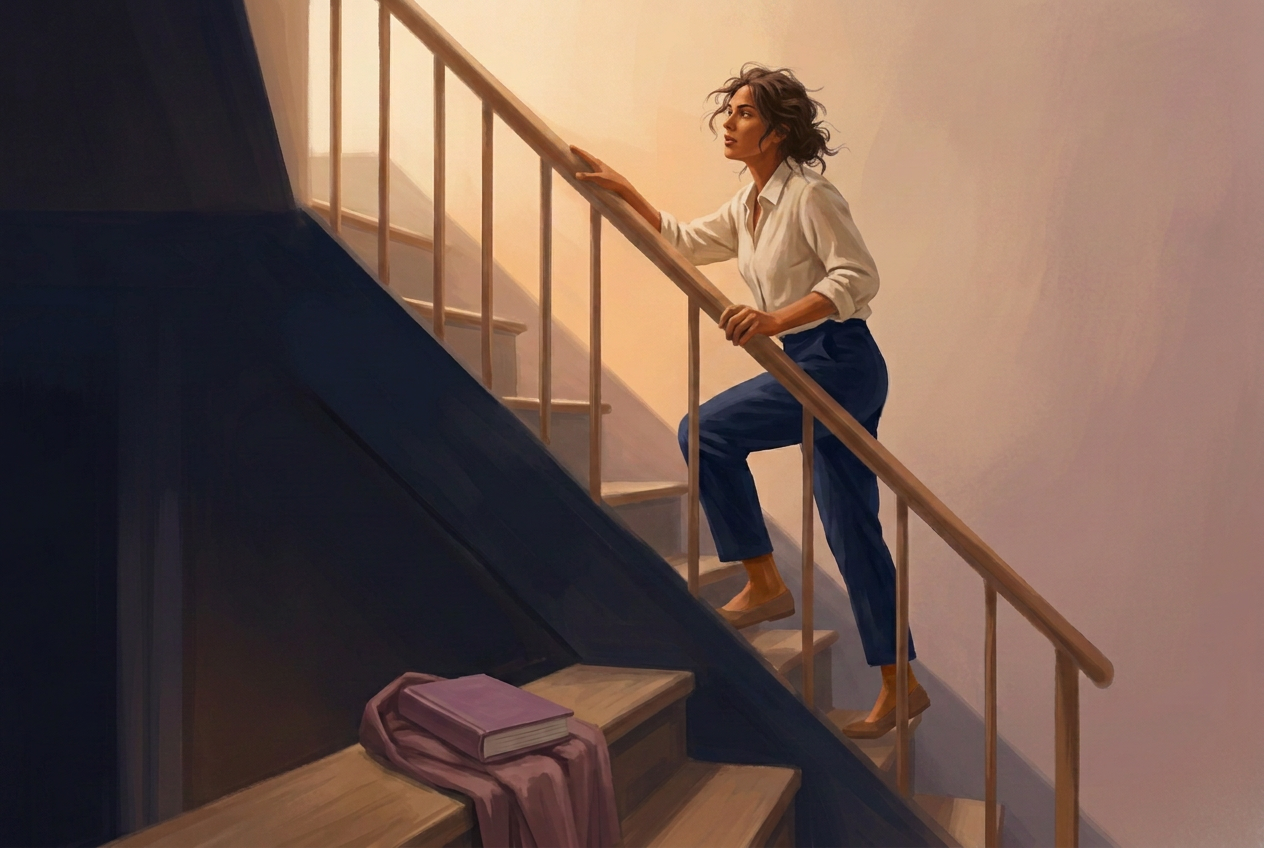 August 2026
The Patient Leader
Patient voice gets you heard. Patient leadership gets you a vote.
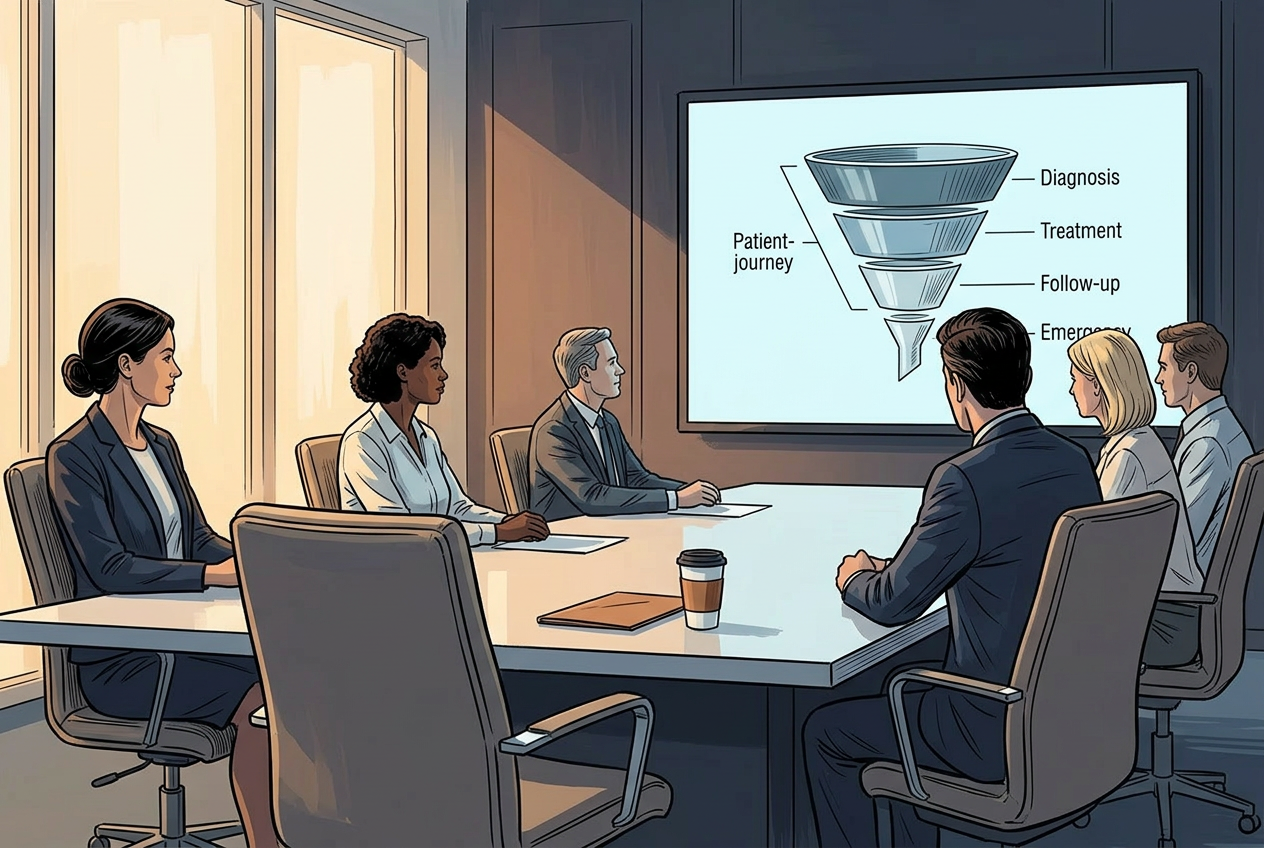 July 2026
To the Pharma Commercial Lead Who Thinks the Physician Is the Customer
The patient is already the product strategy. Nobody has told the patient that yet.
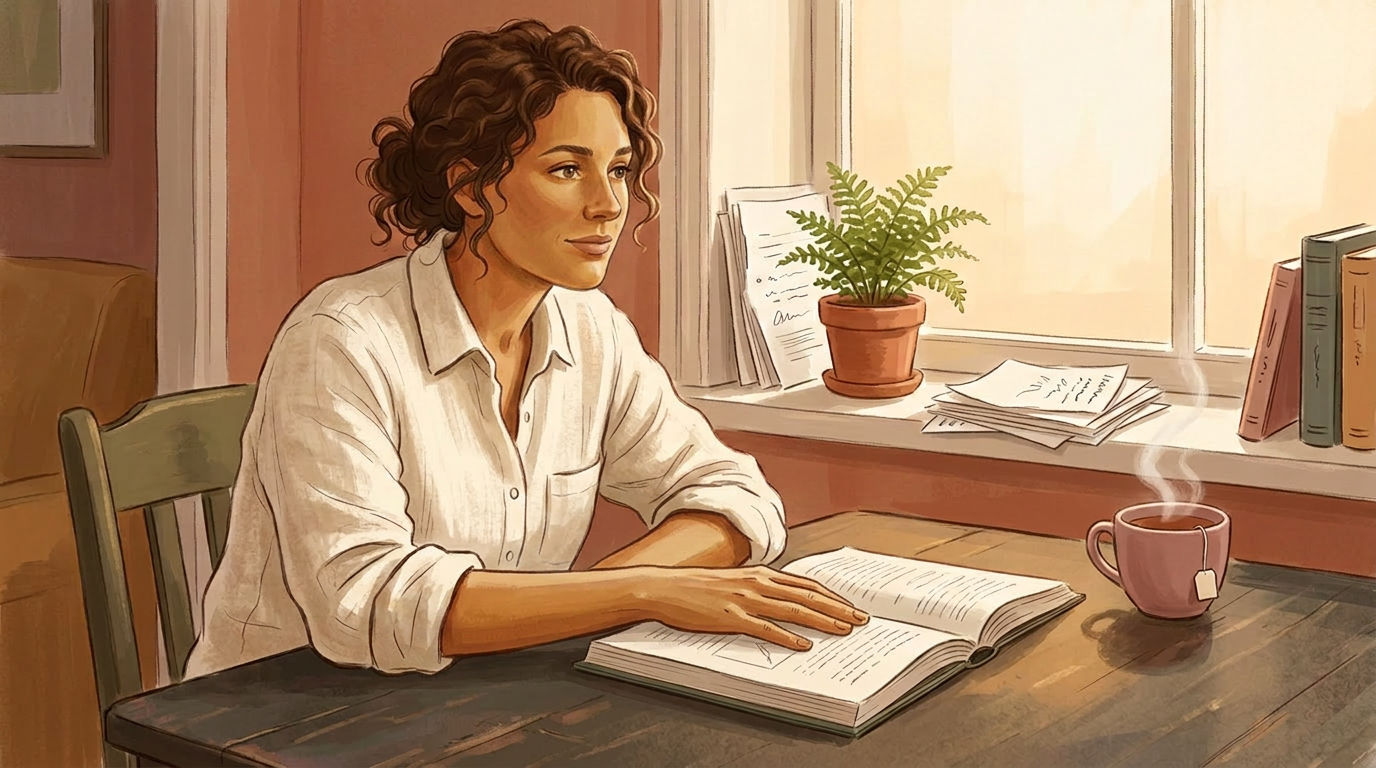 May 2026
I was given a six-month window. The biology disagreed.
The science of how the brain rewires itself, and what that means for stroke recovery.
Subscribe
My newsletter is free. New posts arrive in your inbox.
Follow along
- Writing and newsletter: Substack, @mayakuzalti
- Articles: Medium, @mayakuzalti
- The report: thedischargegap.substack.com
- Connect: LinkedIn, Maya Kuzalti
- Get in touch: hello@thedischargegap.com